Sit down after a wet week and you might catch it: a faint stale smell that wasn’t there in June, and a cushion that feels very slightly damp against the back of your hand. Nothing has spilled. Nothing looks dirty. Your sofa has been sitting in the same damp air as the rest of the flat, and it holds on to more of it than you’d think.
Fabric behaves differently from leather or timber. It takes in moisture, lets it out slowly, and quietly collects everything that lands on it along the way. Good fabric sofa care in this climate has less to do with scrubbing and more to do with keeping air moving and catching small problems early.
Why Humidity Is Hard on a Fabric Sofa
Singapore doesn’t really give upholstery a dry season. The Meteorological Service Singapore puts the mean annual relative humidity at around 82 per cent, climbing above 90 per cent in the early morning and easing to roughly 60 per cent in the afternoon on days without rain.
Foam and padding absorb that moisture and hold it, especially in a cushion pushed against a wall or one that never gets turned. Add the ordinary things a sofa collects, skin cells, hair, body oils, biscuit crumbs and the odd splash of kopi, and you’ve got damp fabric with plenty of organic material in it. Mould and dust mites both like those conditions, which is why a sofa can start to smell musty in a home that looks perfectly clean.
Your Weekly Five Minutes
Small habits do most of the work here:
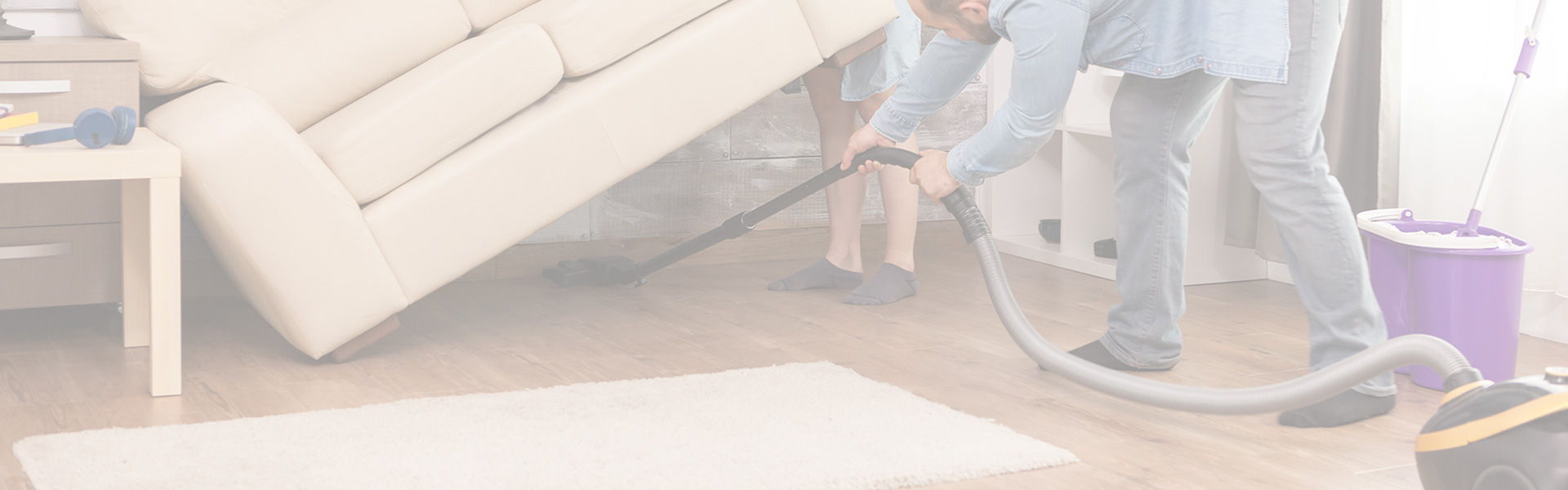
- Vacuum with the upholstery nozzle, along the seams and crevices before the flat surfaces
- Lift and rotate the cushions so both faces get a chance to dry out
- Pull the sofa away from the wall now and then to let air move behind it
- Resist leaving damp towels, gym kit or laundry sitting on the seat
- Draw the curtains back during the day so daylight reaches the fabric
People skip the crevices, and that’s exactly where the dirt collects. Crumbs and hair collect in the gap between the seat and the back, hold moisture, and sit there for months. Two minutes with a narrow nozzle along each seam changes how the whole sofa smells.
Old marks, missed spills and general grubbiness across the whole seat are a different problem, and home methods rarely shift them. Our upholstery cleaning service uses hot water extraction to draw moisture and soil back out of the padding, which is the part a household vacuum and a damp cloth can’t reach. How much comes out depends on the age and condition of the fabric, so we’ll tell you what to expect before we start.
A Word on Washing the Covers
Removable covers make life much easier, with one catch. Wash them on a cool cycle and let them air dry, because the heat of a tumble dryer shrinks upholstery fabric enough to make refitting a real struggle.
Put the covers back on while they’re still very slightly damp and they’ll settle into shape as they finish drying.
Homes with pets or small children go through this cycle more often, and that’s fine. The thing that causes trouble is stripping the covers, washing them, then leaving bare foam sitting in a humid living room for two days waiting to be dressed again.
Spills, and the First Sixty Seconds
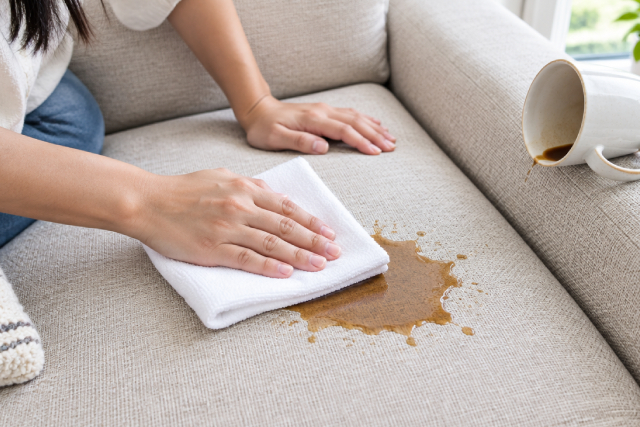
Move fast. Technique comes second. Blot with a dry white cloth, pressing from the outside of the mark inwards, and keep swapping to a clean section of cloth as it picks up colour. Rubbing pushes the spill deeper into the weave and can fray the surface.
Go easy on the water, though. Soak a cushion and the liquid travels into the foam, where it dries slowly and can leave you with a mustier problem than the stain you started with. Check the care label first: W means water-based cleaners are fine, S means solvent only, WS means either, and X means vacuuming alone. Test anything new on a hidden panel at the back before it goes near a visible cushion.
Why Airing It Out Works
Fabric sprays cover a musty smell for an afternoon. Moving air gets rid of the cause.
Open the windows during the drier part of the afternoon, when outdoor humidity has dropped, and point a standing fan across the sofa for an hour. Early morning is the one time to avoid, since that’s when the air outside is heaviest.
A dehumidifier in a closed living room works even better through a long wet spell. And if a cushion has genuinely got damp, take the cover off, stand the foam on its edge, and let air reach both faces. Lay it flat on the frame and you’ll trap the moisture underneath.
Where the Sofa Sits Changes How It Ages
Position makes a surprising difference. A sofa pushed flush against an external wall gets almost no air behind it, and if that wall catches the afternoon sun it stays warm and slightly damp. Leave even five centimetres of gap and air can pass through, which adds up over a year.
Direct sunlight is the opposite problem. A few hours of light a day keeps fabric dry and healthy, while all-day glare through an untreated window fades the colour and leaves the weave brittle at the arms. Sheer curtains solve both problems at once.
Signs Your Sofa Needs More Than a Vacuum
A few things point to the padding rather than the surface:
- A musty smell that comes back within a day of airing the room out
- Dark speckling along seams, piping or the underside of a cushion
- Fabric that feels tacky, or looks shiny and flattened at the arms and headrest
- More sneezing in the living room than anywhere else in the house
- Several years since the sofa was last cleaned properly, or no memory of it at all
- Cushion covers that come out of the wash still smelling faintly of the room
If you’ve got a mix of materials at home, the same logic applies with different products. Leather needs conditioning, and leather furniture maintenance needs a different routine altogether.
A Seat You Want to Sink Into
The sofa is usually the most used piece of furniture in a Singapore home, and the one nobody thinks about until something goes wrong with it. A weekly vacuum along the seams, cushions turned regularly, and a fan pointed at it during a damp week will keep most sofas fresh for years.
When the smell stops responding to open windows, or the fabric has picked up marks that won’t lift, that’s when a proper deep clean is the sensible next step. We’re happy to talk you through what a sofa session involves and roughly how long the fabric needs to dry afterwards.